Rubbish clearance for Hornchurch Road homes
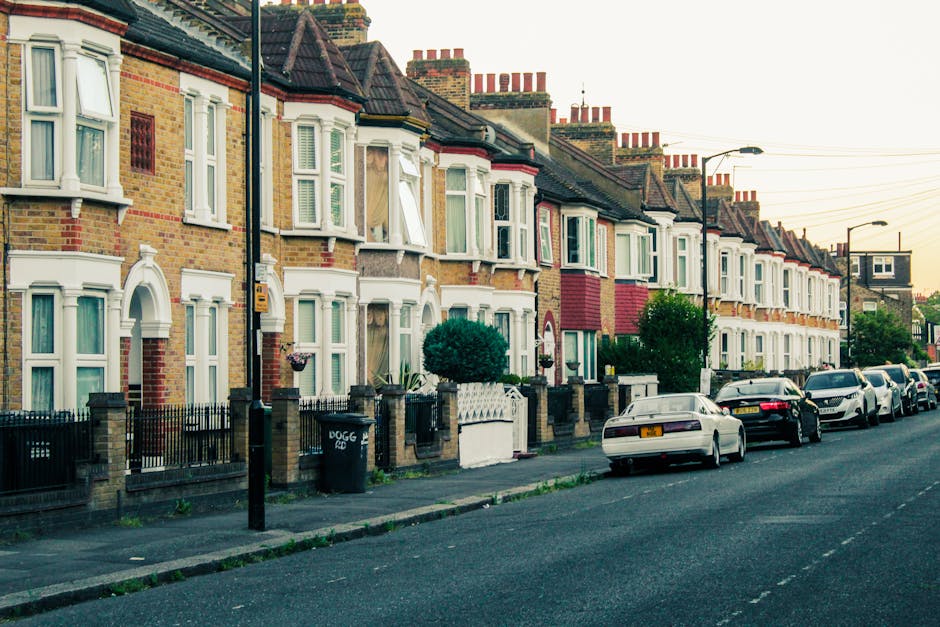
If you live on or near Hornchurch Road, rubbish can build up faster than you expect. One awkward sofa, a few bags from the loft, a broken fridge in the hallway, and suddenly the place feels tighter, messier, and harder to live in. Rubbish clearance for Hornchurch Road homes is about more than simply taking things away; it is about making a home feel usable again, without the stress of hiring a van, lifting heavy items, or wondering where everything should go.
This guide walks through how home rubbish clearance works, what it is useful for, what to check before booking, and how to avoid the little mistakes that tend to create bigger headaches later. You will also find practical advice on furniture, appliances, garden waste, loft clutter, and safe disposal. In other words, the bits people usually find out the hard way. Let's make it easier.
- Why it matters
- How it works
- Key benefits
- Who it is for
- Step-by-step guidance
- Expert tips
- Common mistakes
- Tools, resources and recommendations
- Law, compliance and best practice
- Options and comparison
- Real-world example
- Practical checklist
- Conclusion
- Frequently asked questions
Why Rubbish clearance for Hornchurch Road homes Matters
Clutter is not just visual noise. In a home, it gets in the way of cleaning, moving around, and using rooms properly. A pile of unwanted items in a spare room becomes a place you stop opening. A shed full of old garden waste becomes a damp, half-forgotten corner. That is how small jobs quietly turn into large jobs.
For Hornchurch Road homes, rubbish clearance often matters for a few very ordinary reasons: a move, a refurbishment, a clear-out after years of storage, a garden reset, or simply reclaiming space. The pace of life in London means many people do not have time to make several trips to a tip, and not everyone has access to a suitable vehicle. Truth be told, most people just want it gone properly and without fuss.
There is also a safety angle. Heavy items left stacked in hallways, broken furniture with exposed fixings, or unwanted appliances stored in a damp garage can all become hazards. If you have children, elderly relatives, or tight stairways, the risks become even more obvious. A tidy home is not a luxury. Sometimes it is the difference between coping and feeling boxed in.
How Rubbish clearance for Hornchurch Road homes Works
Home rubbish clearance is usually straightforward, although the exact process depends on the volume and type of waste. Most services begin with an enquiry, followed by a rough description or photos of what needs removing. That helps estimate the load, the labour involved, and whether any items need special handling.
On the day, the team normally arrives, confirms what is being taken, and clears the items from where they sit. Good operators will separate reusable or recyclable materials where possible and keep an eye out for anything that needs special disposal. If you are dealing with a mixed load, they may sort bulky furniture separately from general rubbish or appliance waste. A little organisation goes a long way.
If you are comparing home clearance with a more general waste removal service, the difference is often in the level of labour and the kind of items involved. Waste removal can suit mixed household rubbish, while furniture-heavy jobs may be better matched with furniture clearance or even house clearance if the property needs a more complete reset.
Some homes need a more targeted approach. A cramped loft, for instance, is rarely a quick grab-and-go job. If that is your situation, a dedicated loft clearance service may save time and reduce the risk of damage when items are brought down narrow stairs. Same idea for a packed garage. You will notice the difference when the right team comes with the right plan.
Key Benefits and Practical Advantages
The obvious benefit is space. Once old furniture, broken bits, and general junk are removed, rooms feel bigger, cleaner, and calmer. But the practical advantages go further than that.
- Less physical strain: no lifting wardrobes, bagging awkward waste, or risking a sore back on the stairs.
- Time saved: one visit is usually easier than several DIY trips.
- Cleaner property conditions: less dust, fewer trip hazards, and a better base for decorating or deep cleaning.
- Better recycling outcomes: a professional team can separate items for reuse, recycling, or specialist disposal.
- More flexibility: useful for move-out days, probate clearances, pre-sale preparation, and renovation work.
There is also a psychological benefit that people underestimate. A clear room changes how you use the rest of the house. You open the door differently. You stop avoiding the space. It sounds small, but it really is not.
If your clearance includes bulky pieces like sofas or mattresses, it helps to use the right specialist page rather than assuming everything is ordinary rubbish. For example, mattress and sofa disposal is often a better fit than treating these items as general household waste, especially when access is awkward or the item is too large for standard handling.
Who This Is For and When It Makes Sense
Rubbish clearance for Hornchurch Road homes is useful for all sorts of households, not just those in the middle of a big clear-out. In our experience, it tends to make sense in these situations:
- after a house move or tenancy change
- before selling a property or arranging photographs
- after a refurbishment or decorating project
- when a loft, garage, or spare room has become storage overflow
- when garden waste has piled up faster than the weekly bin collection can handle
- when large furniture needs removing from upstairs rooms
- after a long period of accumulated clutter that has become too much to tackle alone
It is also a sensible choice if you are clearing a flat or maisonette and stairs, parking, or access are awkward. A lot of Hornchurch Road properties are straightforward on paper and a bit less straightforward in real life. Tight front paths, shared entrances, or limited loading space can make DIY waste trips fiddly very quickly.
For landlords, letting agents, and family members helping with an inherited home, speed and reliability matter as much as cost. Sometimes the goal is not a perfect makeover. Sometimes it is simply to get the property safe, empty enough, and ready for the next step.
Step-by-Step Guidance
Here is a clear way to approach home rubbish clearance without overcomplicating it.
- Walk through the property. Check rooms, lofts, cupboards, garden corners, shed spaces, and the area under stairs.
- Separate the obvious categories. Keep furniture, appliances, garden waste, paper records, and general rubbish apart if you can.
- Flag anything unusual early. Old paint tins, chemicals, fridges, gas cylinders, or cracked screens may need special handling.
- Take clear photos. This is especially helpful for stair-heavy homes or jobs with mixed waste.
- Ask what is included. Confirm labour, lifting, loading, recycling, and whether sweep-up is included after removal.
- Make access simple. Move cars if needed, unlock gates, and clear a path from the front door to the items.
- Keep essentials aside. Do not accidentally send away keys, documents, chargers, or tools that you still need.
- Review the load before it goes. A quick final check saves awkward surprises later. Honestly, this tiny step saves a lot of grief.
If you want a more structured process for larger properties, a broader home clearance approach may be the best fit, especially where rooms need to be cleared in phases rather than all at once.
Expert Tips for Better Results
Small decisions make a big difference here. A good clearance is not just about taking more stuff away; it is about taking the right stuff away in the right way.
- Photograph item piles before sorting. If you later need to check what was in a room, you will be glad you did.
- Use colour-coded bags or labels. One colour for rubbish, one for recycling, one for keep. Simple, but effective.
- Start with the easiest wins. Old packaging, broken small items, and loose bagged waste create quick momentum.
- Leave awkward heavy items for last. That way access stays clear while lighter items are removed first.
- Check for hidden waste. Under beds, behind wardrobes, inside garden storage boxes, and in loft corners. The usual hiding places.
- Plan for weather if clearing outdoors. Wet cardboard, soggy garden cuttings, and slippery paths make the job messier than it needs to be.
A very practical tip: if you have a mix of chairs, tables, and soft furnishings, it can be helpful to book a furniture-focused service such as furniture disposal. That keeps the job more organised and can make sorting easier when recyclable or reusable items are separated properly.
And if you are dealing with a garage that has become a mystery zone of old paint, boxes, broken equipment, and three kinds of extension lead, a dedicated garage clearance can be a very sensible shortcut. A garage has a sneaky way of swallowing half a household, doesn't it?
Common Mistakes to Avoid
Most clearance problems are avoidable. They come from rushing, guessing, or assuming everything can go together.
- Mixing waste types blindly: garden waste, appliances, and general rubbish may not all be handled the same way.
- Not checking access: a van may be able to park nearby in theory, but not on a busy Hornchurch Road stretch at the time you need it.
- Leaving fragile or important items hidden in the pile: especially in lofts and cupboards.
- Forgetting about specialist items: fridges, freezers, or old sofas may need dedicated handling.
- Underestimating volume: one room can look modest until everything is stacked in bags and suddenly the pile is, well, bigger than expected.
- Choosing on price alone: the cheapest option is not always the cleanest, safest, or most reliable.
People also sometimes forget the paperwork side. If you are clearing documents from a home office or study, you may want to look at confidential shredding rather than putting sensitive paperwork into general waste. It is a small detail, but an important one.
One more thing: if you are tempted to pile everything into a corner and sort it later, be careful. Later has a habit of becoming next month.
Tools, Resources and Recommendations
You do not need a lot of gear for a tidy clearance, but the right basic tools make the job far less awkward.
- strong rubble sacks or heavy-duty bin bags
- marker pens and labels
- gloves with a decent grip
- a torch for lofts, cupboards, and under-stair spaces
- dust sheets for hallways if items are being carried through the house
- a tape measure for bulky furniture and tight doorways
- basic cleaning supplies for the final sweep-up
For outside areas, a garden clearance service can be particularly helpful if the job includes soil, branches, hedge cuttings, broken planters, or old outdoor furniture. Those jobs often look simple from the patio and then become messier once you start lifting. Wet leaves, old timber, and rusty metal all have a way of multiplying.
If your clearance is linked to a broader renovation, you may also need builders waste clearance. That is useful when you have packaging, offcuts, broken tiles, plasterboard, or mixed renovation debris that should not be left to sit around the house.
For homeowners wanting a fuller picture of how the business works, about us can help you understand the approach, while pricing and quotes is the sensible next stop if you want to compare options before booking.
Law, Compliance, Standards, or Best Practice
Rubbish clearance is not just a practical job; it sits within normal UK waste-handling expectations. That means waste should be removed, transported, and disposed of responsibly, with attention to recycling where possible and careful handling of items that need specialist treatment.
As a homeowner, your main concern is choosing a provider that follows proper waste practice. In plain English, that means clear communication, safe handling, sensible sorting, and no mystery dumping. If something sounds vague, it probably is. Ask questions.
There are also ordinary safety considerations. Large items should be moved with care to avoid injury or property damage. Fridges, freezers, and other appliances should be handled as appliance waste, not just ordinary rubbish. If there is anything hazardous, such as chemicals, oils, or damaged materials that may pose a risk, it should be identified early and handled through the appropriate route. For those cases, a dedicated hazardous waste disposal page is a useful signal that the issue is being taken seriously.
For householders, good practice is fairly simple:
- keep waste types separate where practical
- do not mix potentially hazardous items into ordinary loads
- avoid leaving bags where they block exits or access routes
- check the provider's terms and conditions before booking
- make sure payment and booking details are clear and secure
If you want reassurance around general standards, the site's insurance and safety information and health and safety policy are worth reviewing before you confirm anything. That is not overcautious; it is simply sensible.
Options, Methods, or Comparison Table
There is no single best way to clear a home. The right method depends on volume, item type, access, and how quickly you need the space back. Here is a simple comparison to help you think it through.
| Option | Best for | Advantages | Possible drawbacks |
|---|---|---|---|
| DIY tip runs | Small amounts of waste and occasional bagged rubbish | Flexible, familiar, no booking needed | Time-consuming, heavy lifting, vehicle and disposal hassle |
| Skip hire | Ongoing renovation or high-volume mixed waste | Good for repeated loading over several days | Space needed, loading limits, not ideal for some bulky items |
| Professional rubbish clearance | Mixed household waste, bulky furniture, one-off clear-outs | Fast, labour included, less stress | Needs scheduling and clear item description |
| Specialist item removal | Appliances, sofas, mattresses, office materials, or garden waste | Better handling for specific item types | May require separate booking if the load is varied |
If you are trying to decide between a skip and a clearance team, the practical question is simple: do you want to load the waste yourself, or would you rather have it removed for you? Many homeowners on Hornchurch Road want the second option for the simple reason that life is already busy enough.
For a clearer sense of skip suitability, the page on what can go in a skip can help you judge whether a skip is a better fit for your situation. That said, if the job includes furniture or awkward access, a clearance service often feels less disruptive.
Case Study or Real-World Example
A very typical Hornchurch Road scenario goes something like this: a homeowner has been using the spare room as storage for years. There are old books, a broken desk, one mattress leaning against the wall, two bags of textiles, several boxes of decorations, and a couple of items nobody remembers buying in the first place. The room is not unusable, exactly. But it is never used properly either.
The first step is usually to decide what stays. After that, the unwanted items are grouped by type. The desk and mattress are set aside for furniture and bedding handling, the boxes are checked for documents or valuables, and the rest is bagged. Once the main items are out, the room suddenly feels like a room again. Not glamorous. Just useful. Which, frankly, is what most homes need most of the time.
Another common example is a family preparing a property for sale. The goal is not a full renovation; it is to remove visual clutter so the space photographs well and buyers can see proportions clearly. Clearing the loft, the garage, and a few large furniture items can change how the whole home feels. You can almost hear the echo once the clutter is gone. Strange, but true.
Practical Checklist
Use this simple checklist before booking rubbish clearance for a Hornchurch Road home.
- Walk through every room, loft, shed, and outdoor area
- Make a list of bulky items, bagged waste, and special items
- Take photos of anything heavy or awkward to move
- Set aside documents, keys, chargers, and valuables
- Check access routes, parking, and stair width
- Separate appliance waste from general rubbish
- Identify any hazardous items early
- Choose a service matched to the job, not just the cheapest quote
- Review pricing, timing, and payment details carefully
- Confirm what happens to reusable and recyclable items
If you are still deciding, you can also review recycling and sustainability to understand how items may be sorted and handled after collection. That tends to matter more than people expect.
Get a free quote today and see how much you can save.
Conclusion
Rubbish clearance for Hornchurch Road homes is really about getting your space back without creating more work for yourself. Whether you are clearing a single room, a full house, a garage, or a loft, the best results usually come from a simple plan: sort what you can, identify anything special, and choose a service that matches the job properly.
Once the clutter goes, the home feels different. Lighter. Easier to live in. A bit more like yours again. And that feeling, to be fair, is often worth more than the pile of old stuff that caused the problem in the first place.
When you are ready, a clear, well-handled clearance can turn a stressful weekend into a proper fresh start. That is not flashy. Just useful. And sometimes useful is exactly what a home needs.
Frequently Asked Questions
What does rubbish clearance for Hornchurch Road homes usually include?
It usually includes the removal of household rubbish, bulky items, mixed waste, and often furniture or appliance items, depending on the provider and the booking details. The exact scope should always be confirmed before the job begins.
Is rubbish clearance better than hiring a skip for a home clear-out?
It depends on the job. If you want to load everything yourself over time, a skip may suit you. If you want the items removed for you, especially from upstairs rooms or awkward spaces, a clearance service is often easier.
Can I book rubbish clearance for just one large item?
Yes, that is often possible. A single sofa, mattress, fridge, or bulky cabinet can usually be removed on its own, although the most efficient option depends on access and the item size.
What happens to the items after collection?
Items are usually sorted for reuse, recycling, or disposal, depending on their condition and material type. Good practice is to keep recyclable materials separate where possible and handle special items appropriately.
Do I need to be at the property during the clearance?
Often yes, at least at the start, so you can confirm what should be taken. Some jobs may be managed with access arranged in advance, but that depends on trust, timing, and the details of the arrangement.
How should I prepare a Hornchurch Road home before rubbish clearance?
Clear access routes, separate valuables, make a note of any hazardous items, and take photos of bulky loads. It also helps to move cars if access or parking could be tight.
Can furniture and appliances be taken away together?
Often they can, but appliance waste may need separate handling from standard furniture. Fridges, freezers, and similar items are best identified clearly before booking so the right arrangements can be made.
What if I have garden waste as well as indoor rubbish?
That is common. Garden cuttings, old plant pots, and outdoor clutter can often be added to the same job if the provider accepts mixed loads. For larger outside jobs, a dedicated garden clearance can be a better fit.
Is confidential paperwork included in general rubbish removal?
It should not be handled carelessly. If you have documents, records, or personal files, it is wiser to use a confidential shredding service so sensitive information is managed properly.
How do I know if I need a full house clearance instead?
If several rooms, loft spaces, and storage areas need to be cleared, or the property is being emptied almost entirely, a full house clearance is usually more suitable than a one-off rubbish collection.
Can rubbish clearance help before selling a property?
Yes. Clearing clutter makes rooms look larger, tidier, and easier to photograph. It can also help buyers focus on the structure and layout instead of the mess. Small change, big effect.
Where can I check booking, payment, or service details?
For booking and payment confidence, it is sensible to review the site's booking, pricing, and security pages before confirming anything. That way you know what to expect and nothing feels rushed.